


116




A maioria das nossas encomendas são enviadas em 2 dias úteis*.
Temos uma política de devolução de 14 dias. Se não estiver satisfeito com a sua compra, devolva-a na sua embalagem original e certifique-se de que coloca a embalagem original do produto dentro da caixa de envio para evitar quaisquer danos. Todos os artigos devem estar nas suas condições originais e não devem ser utilizados. O valor da sua compra será reembolsado. As despesas de envio não serão reembolsadas.
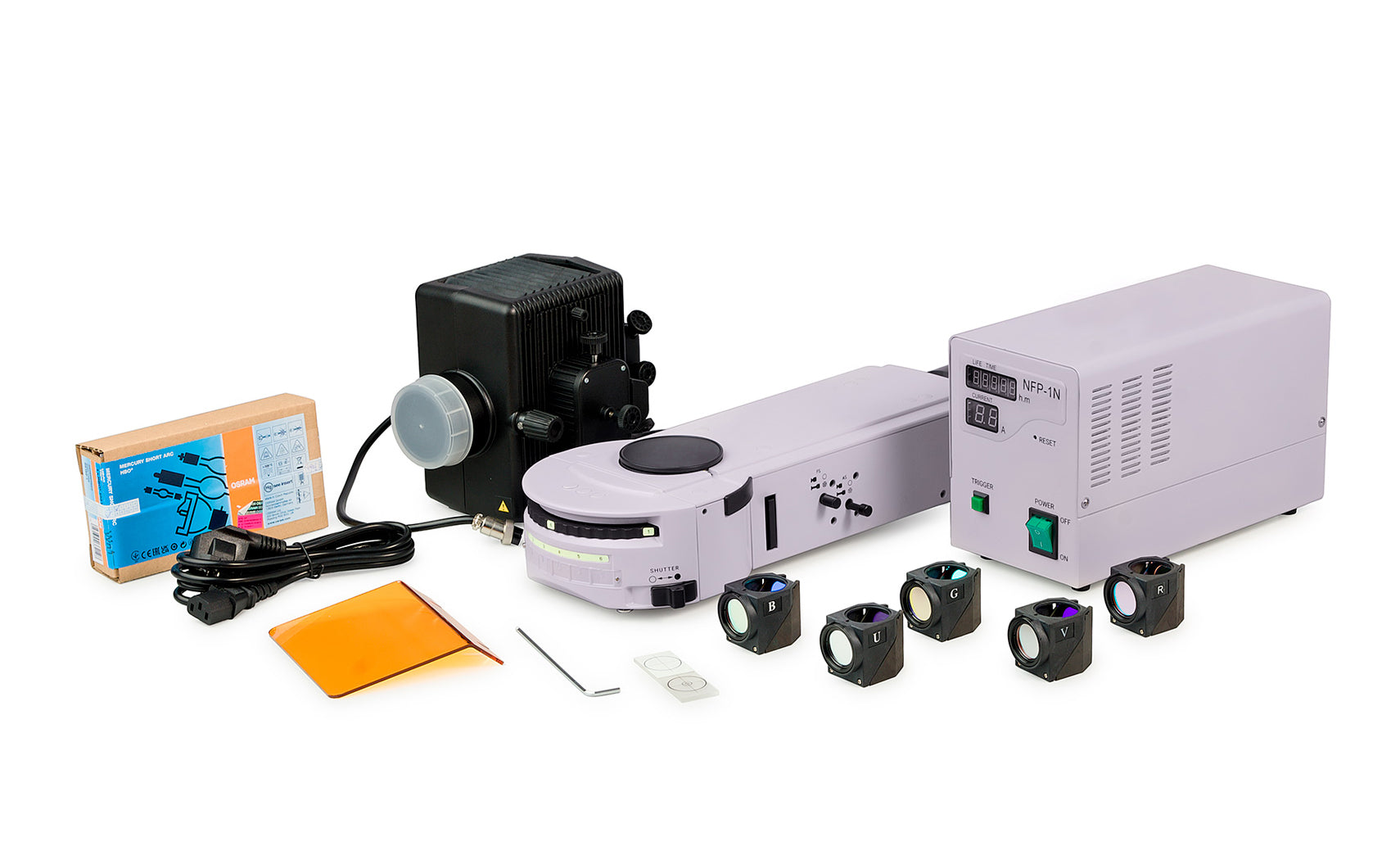
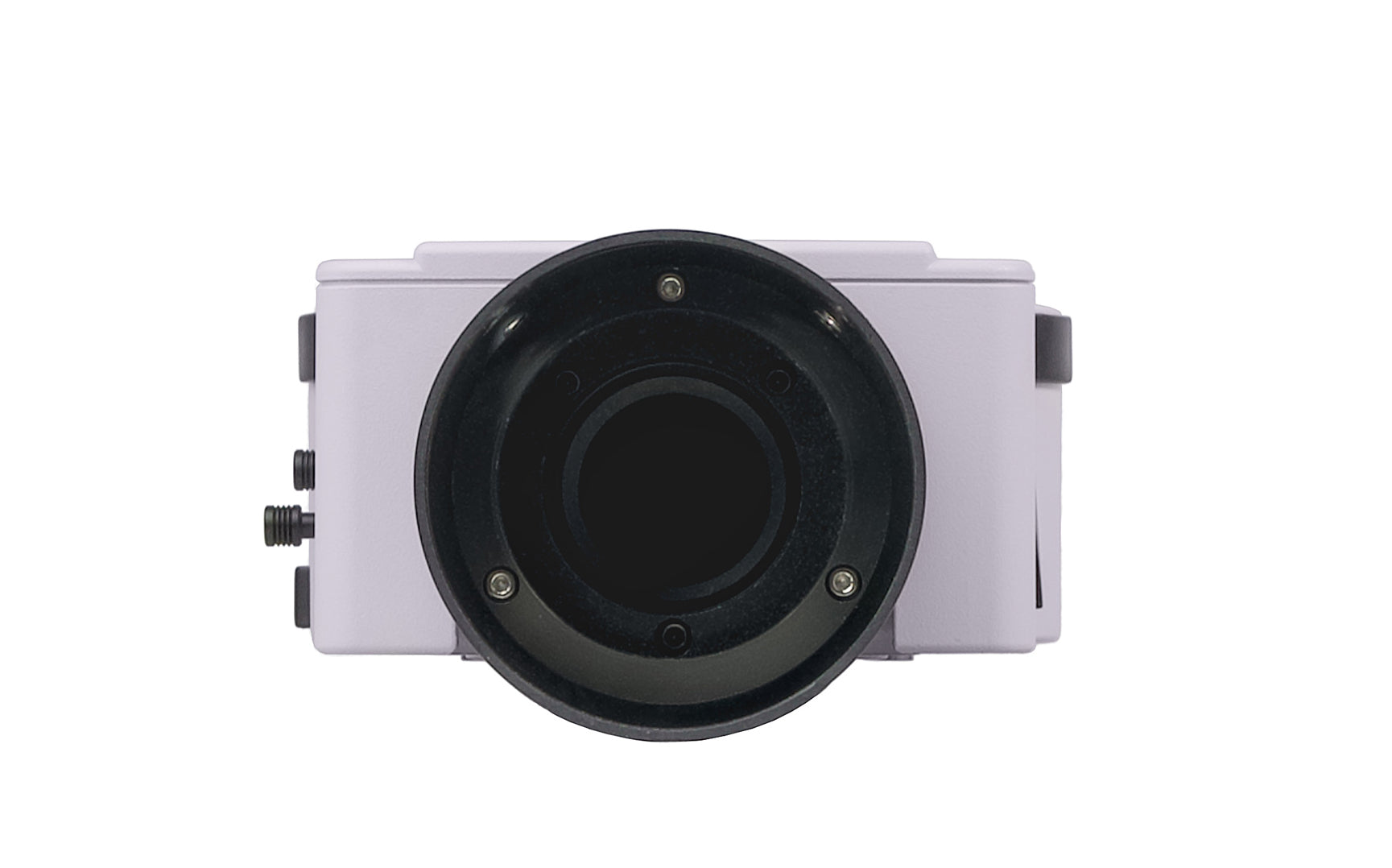
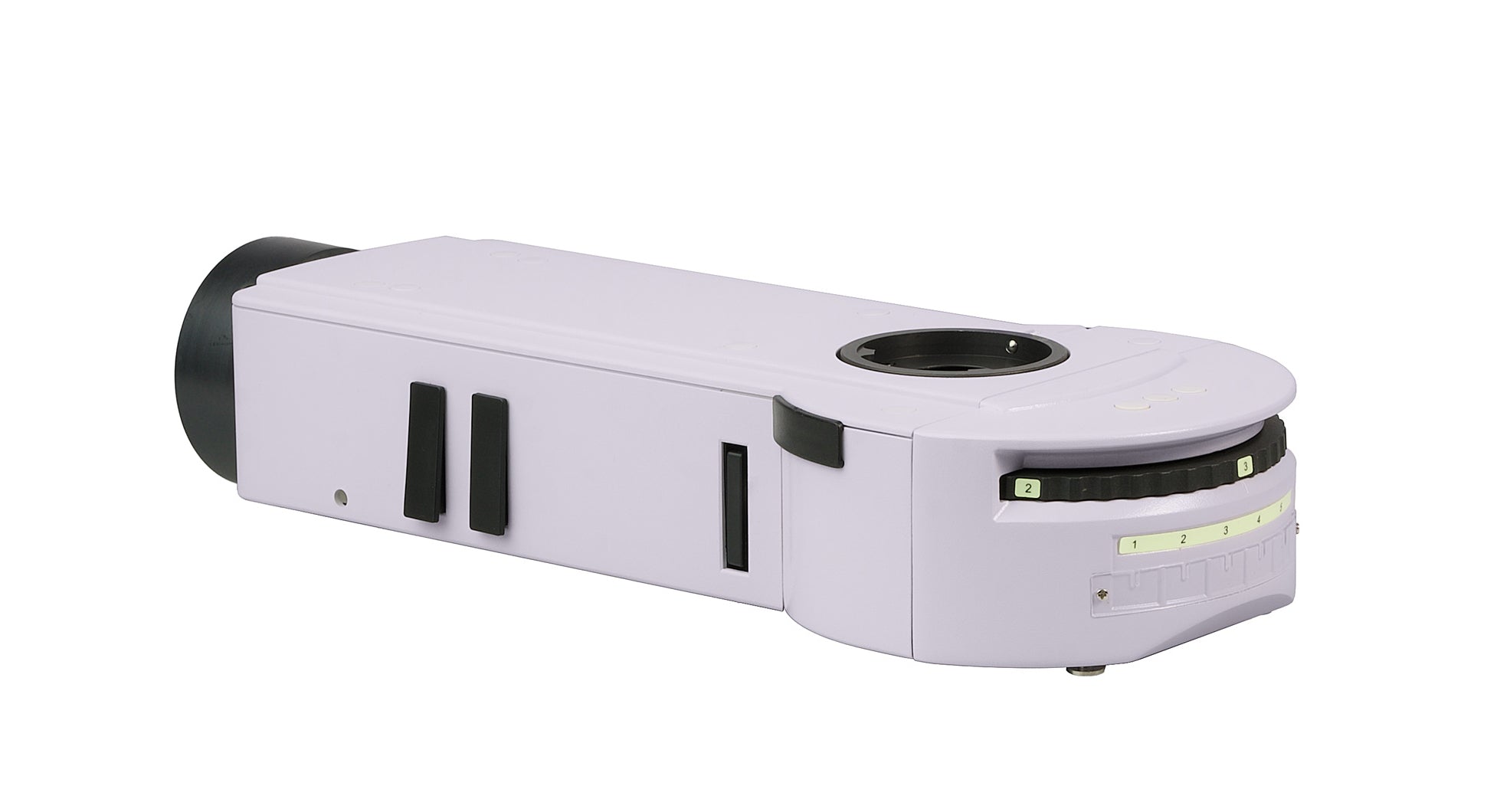
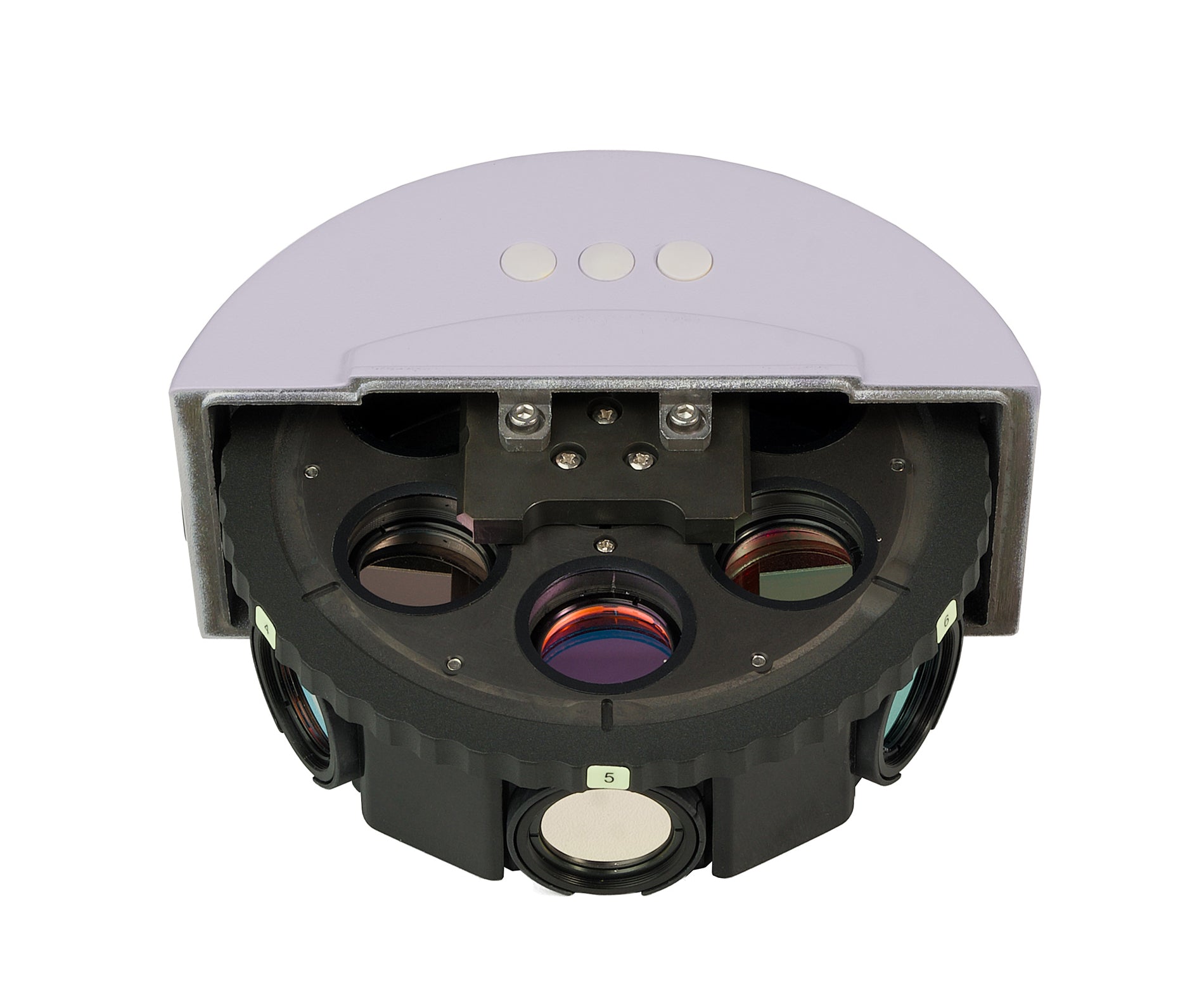
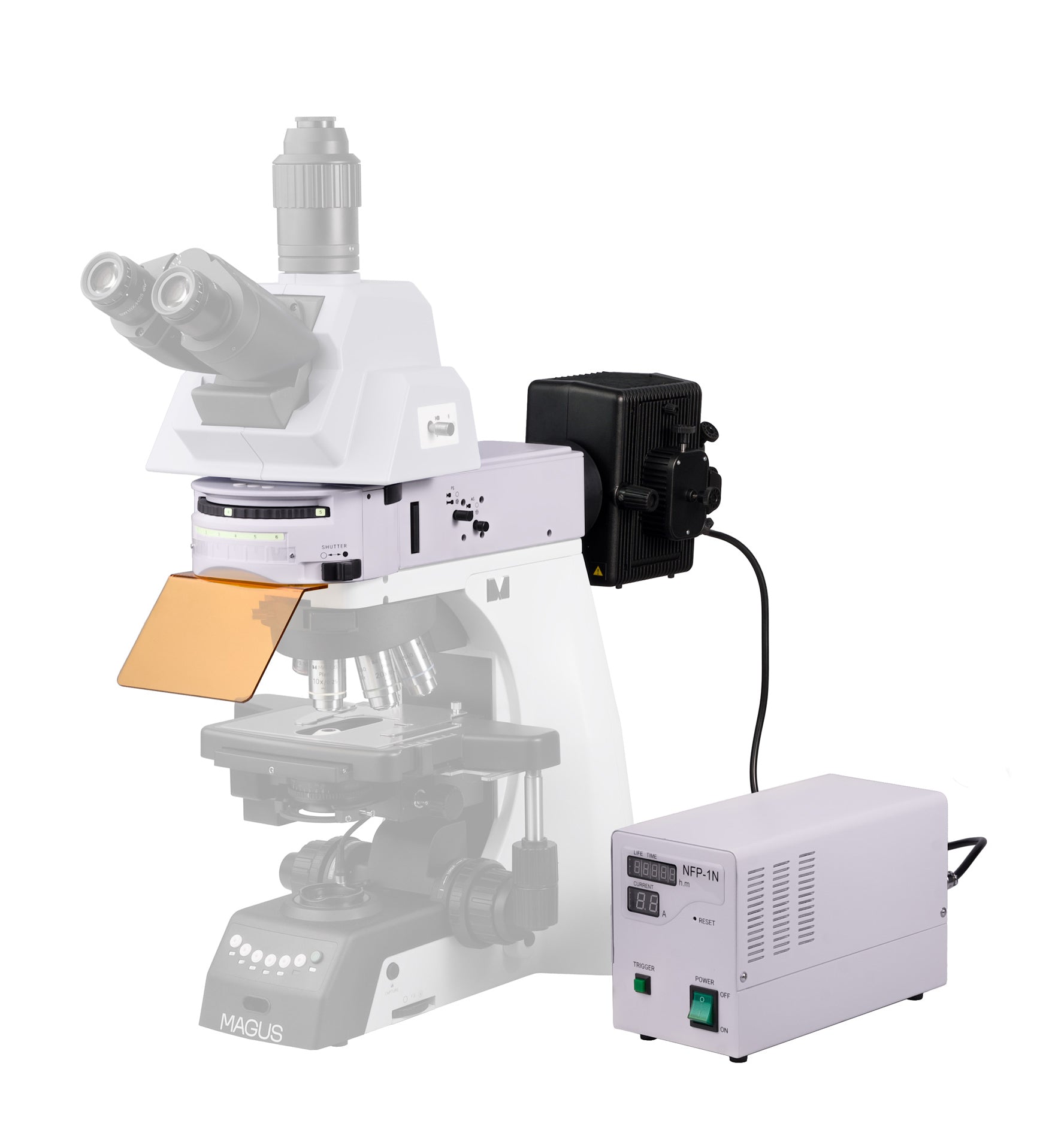
The epi-fluorescence attachment is used to employ the fluorescence technique. The fluorescence technique is based on the ability of substances to emit light when excited by the light of a certain wavelength. Some specimens exhibit autofluorescence while others should be treated with fluorochromes.
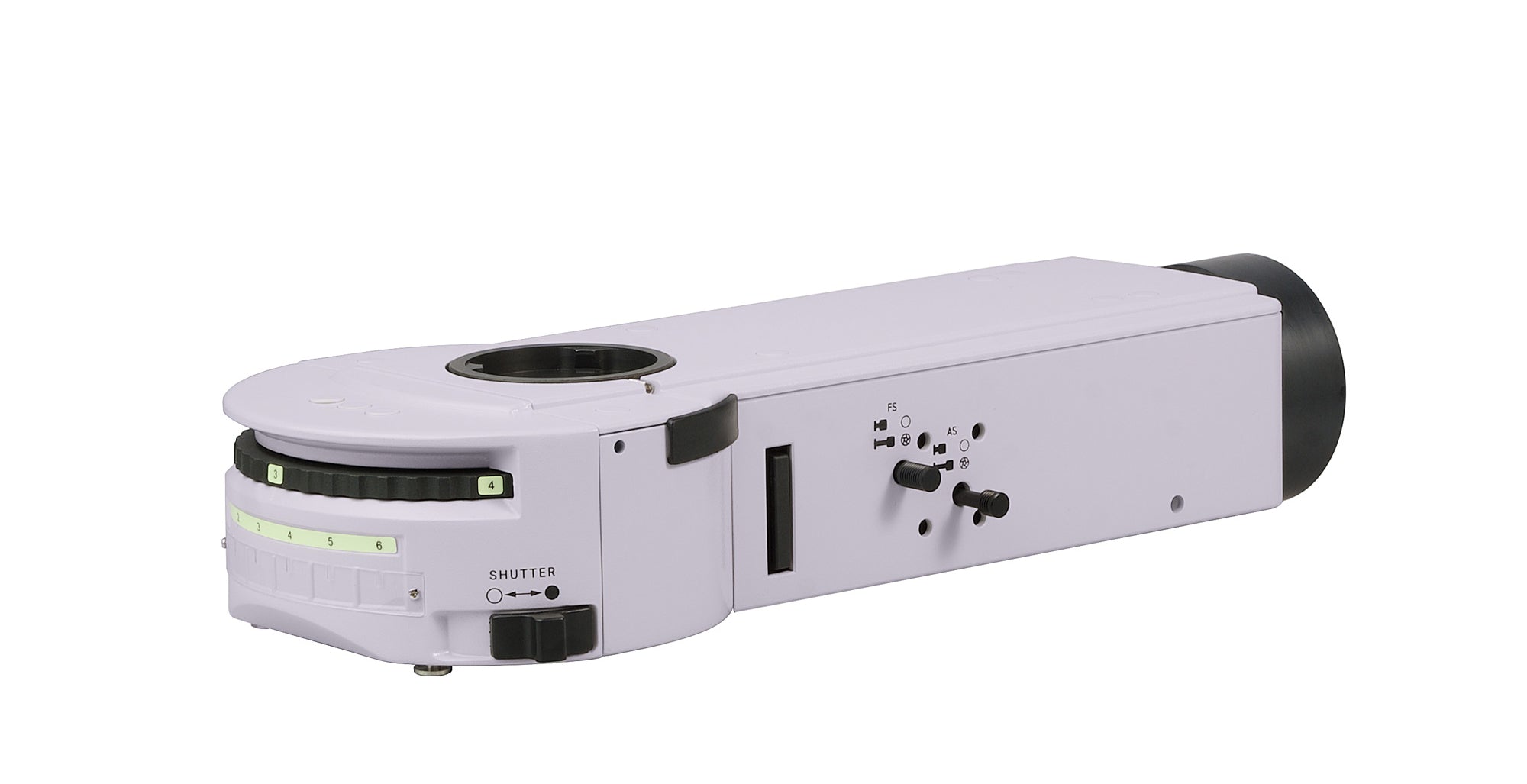
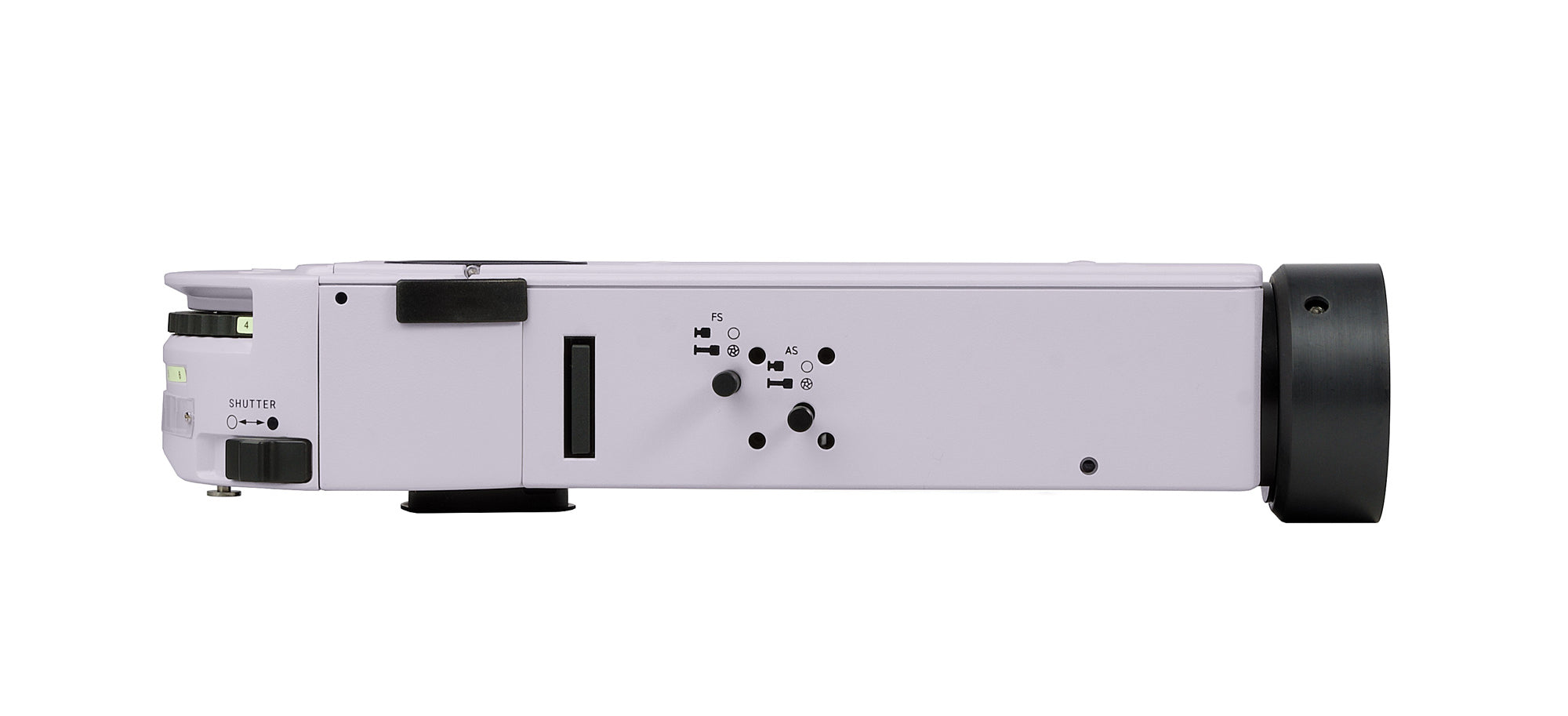
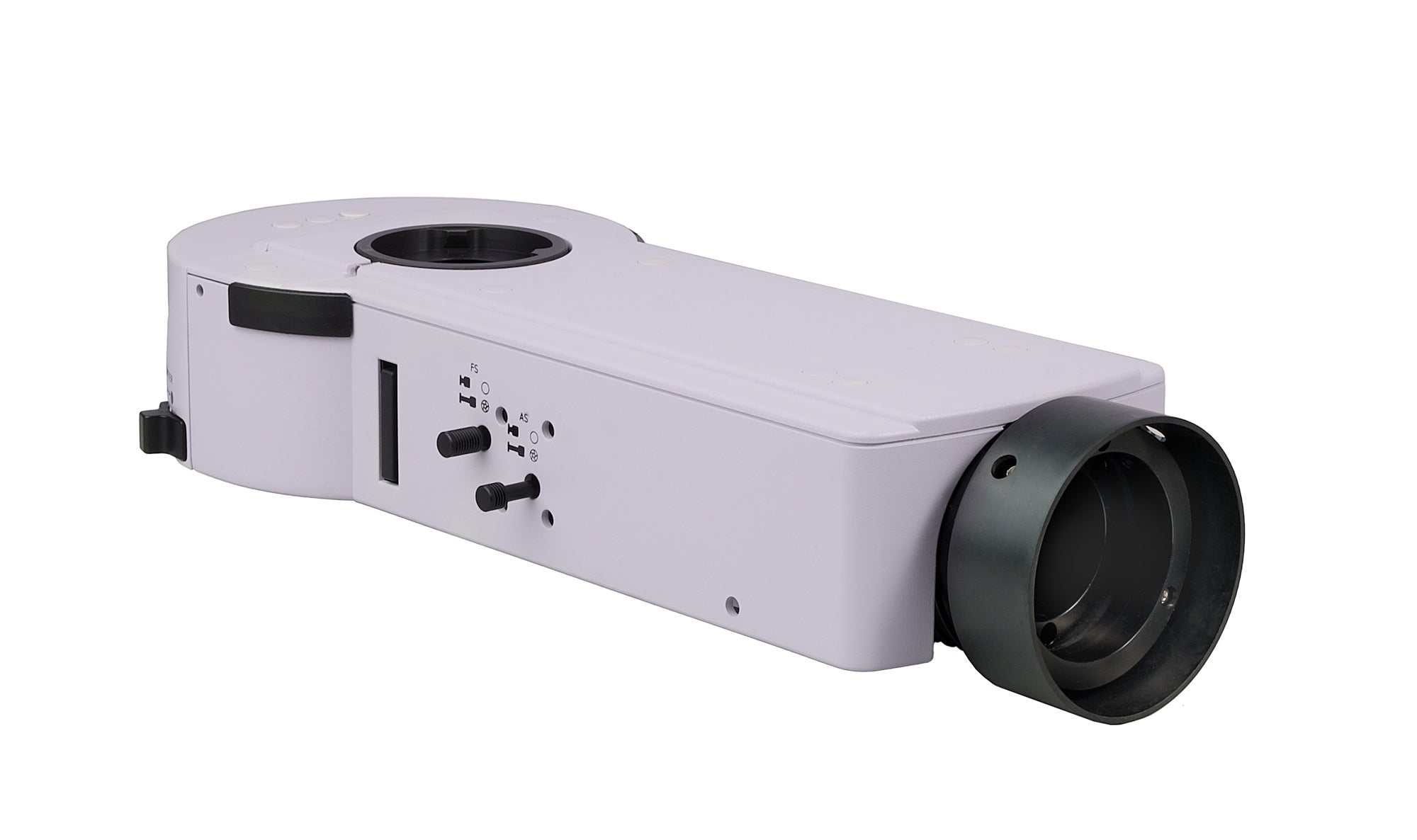
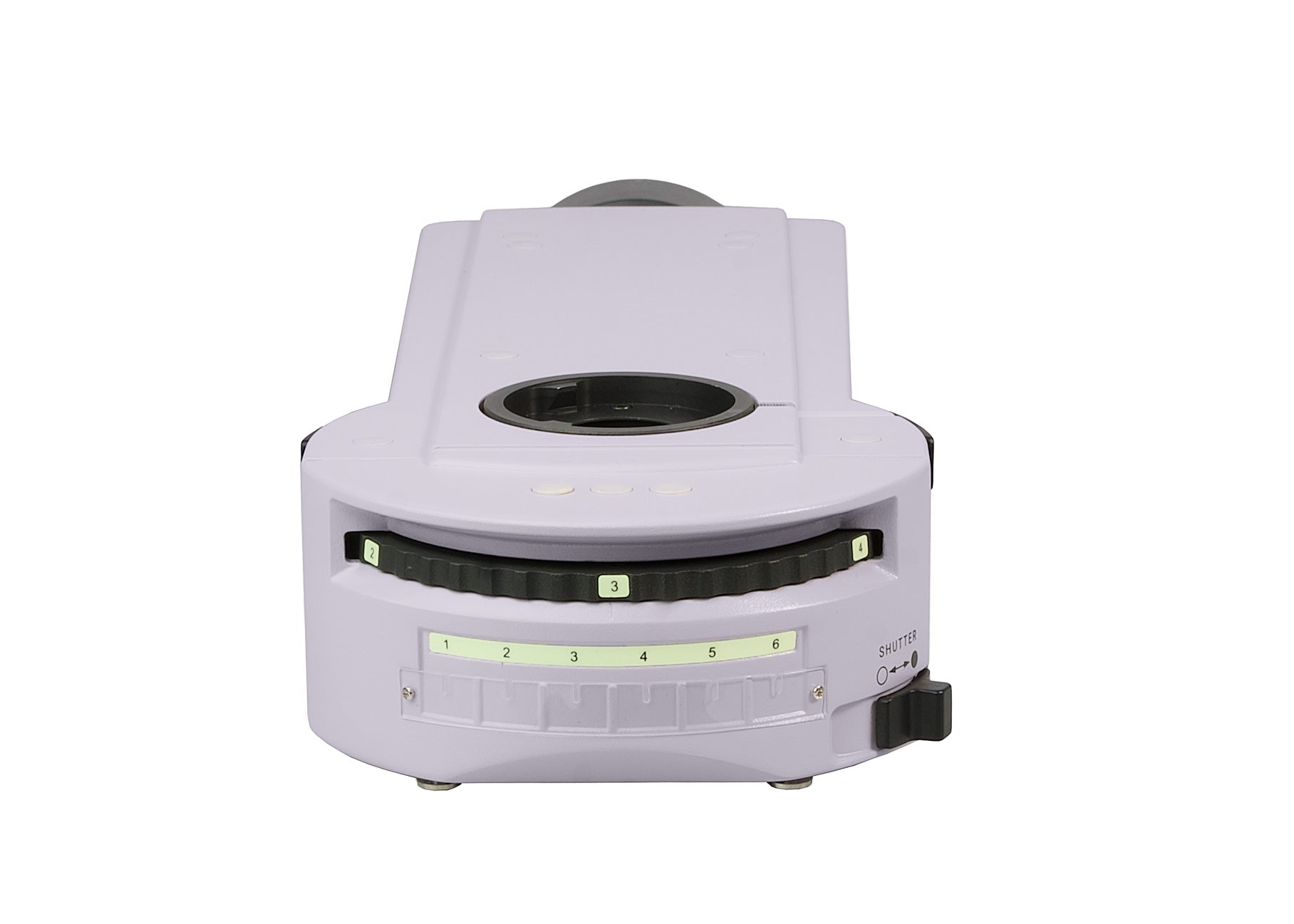
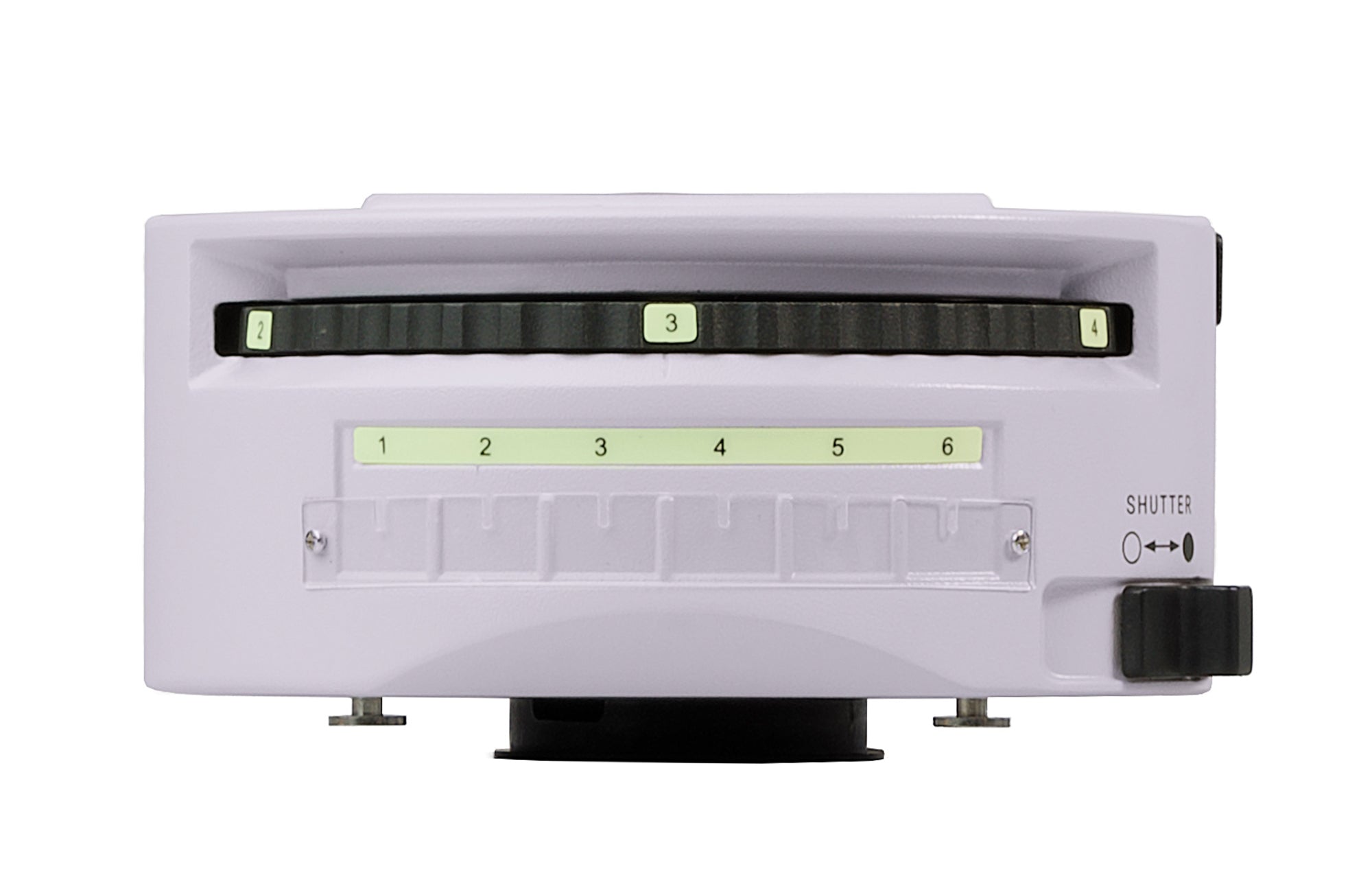
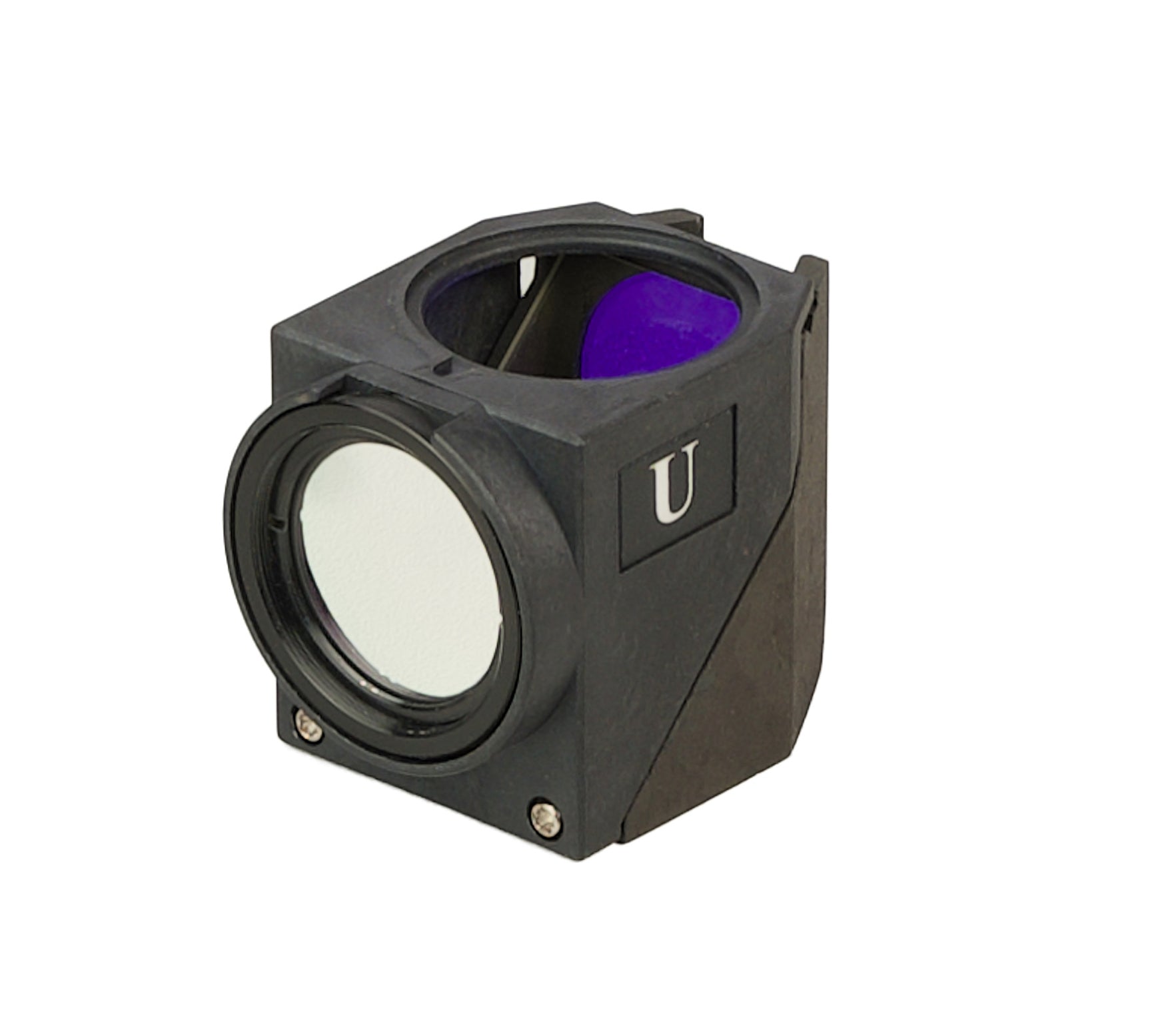
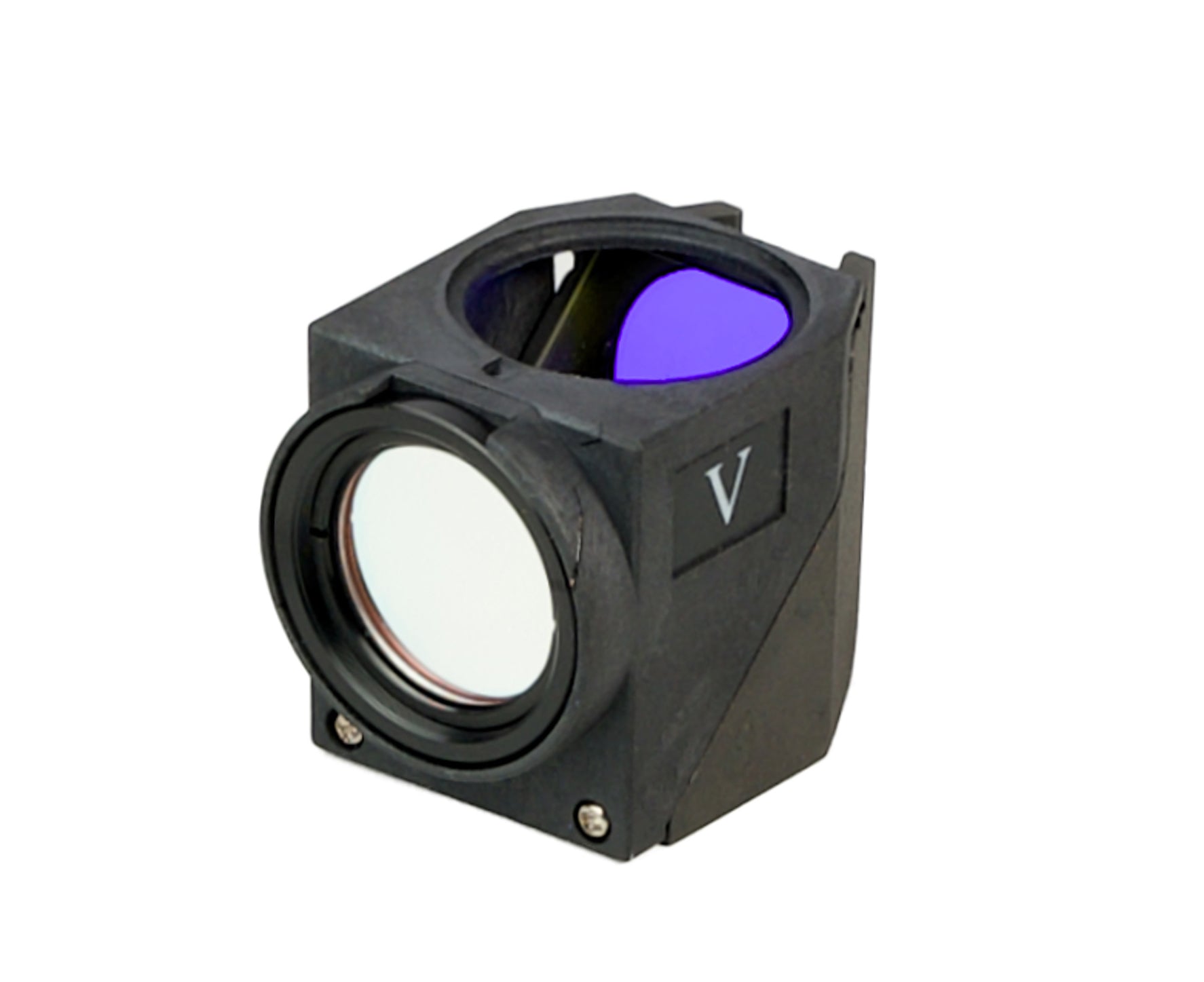
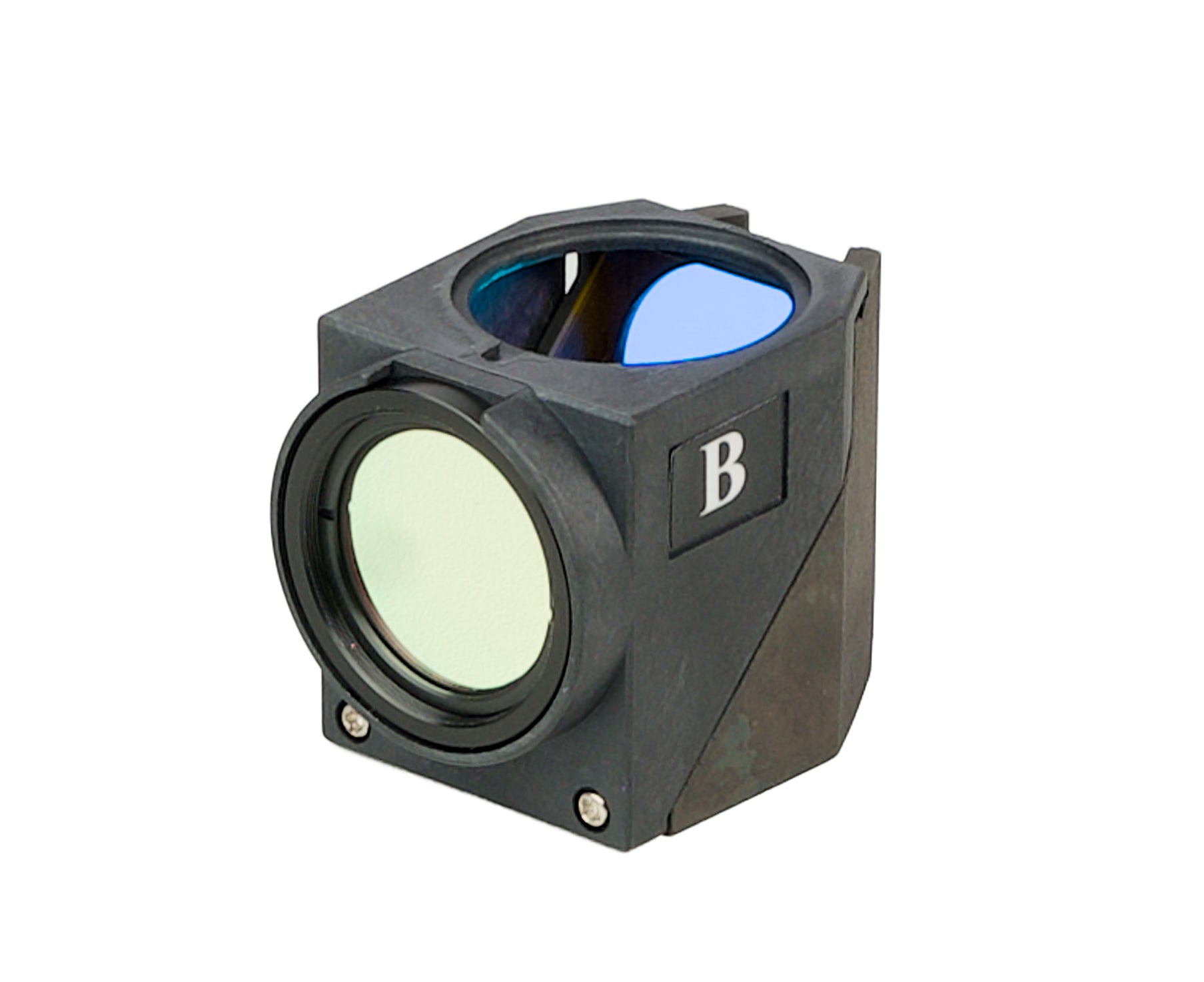
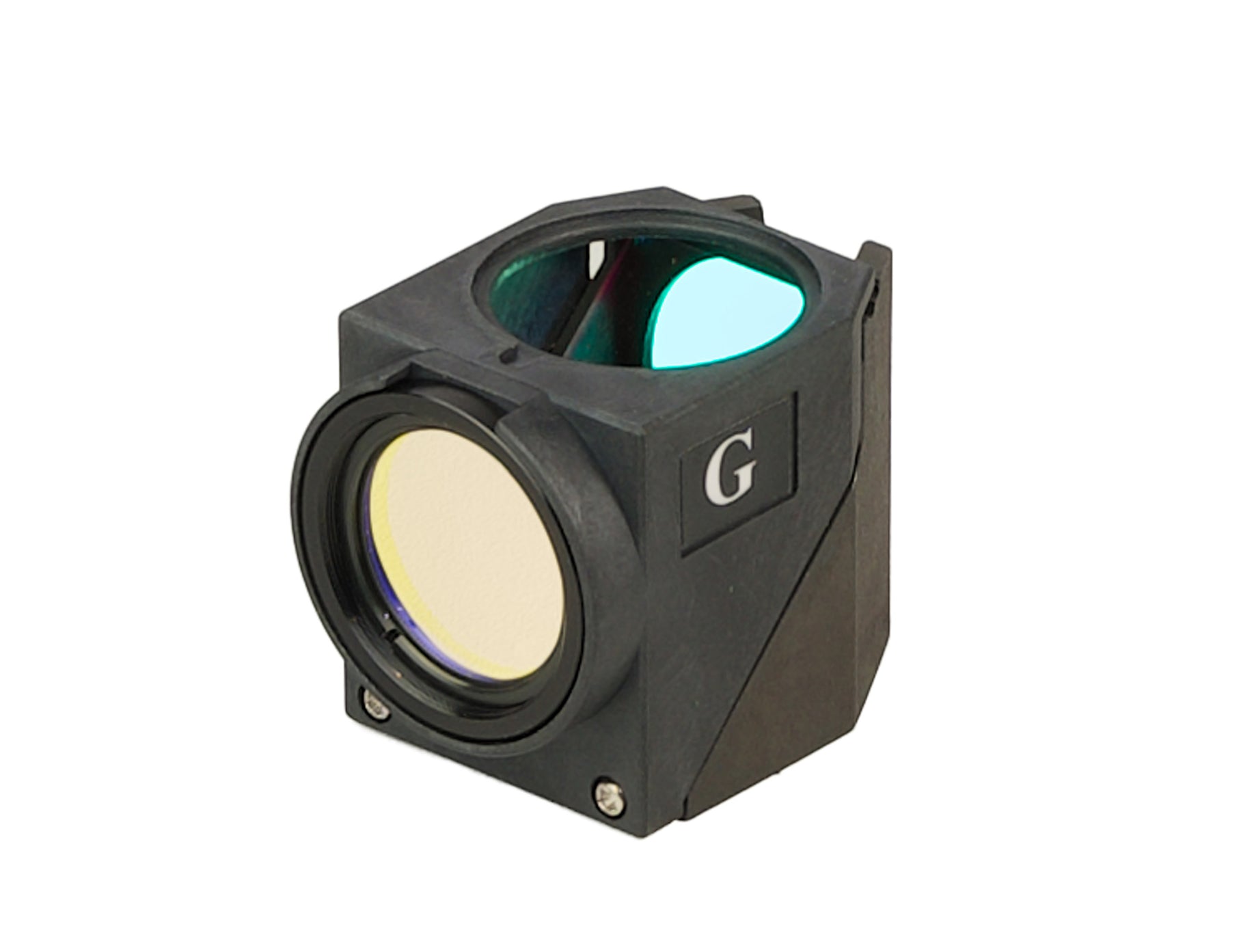
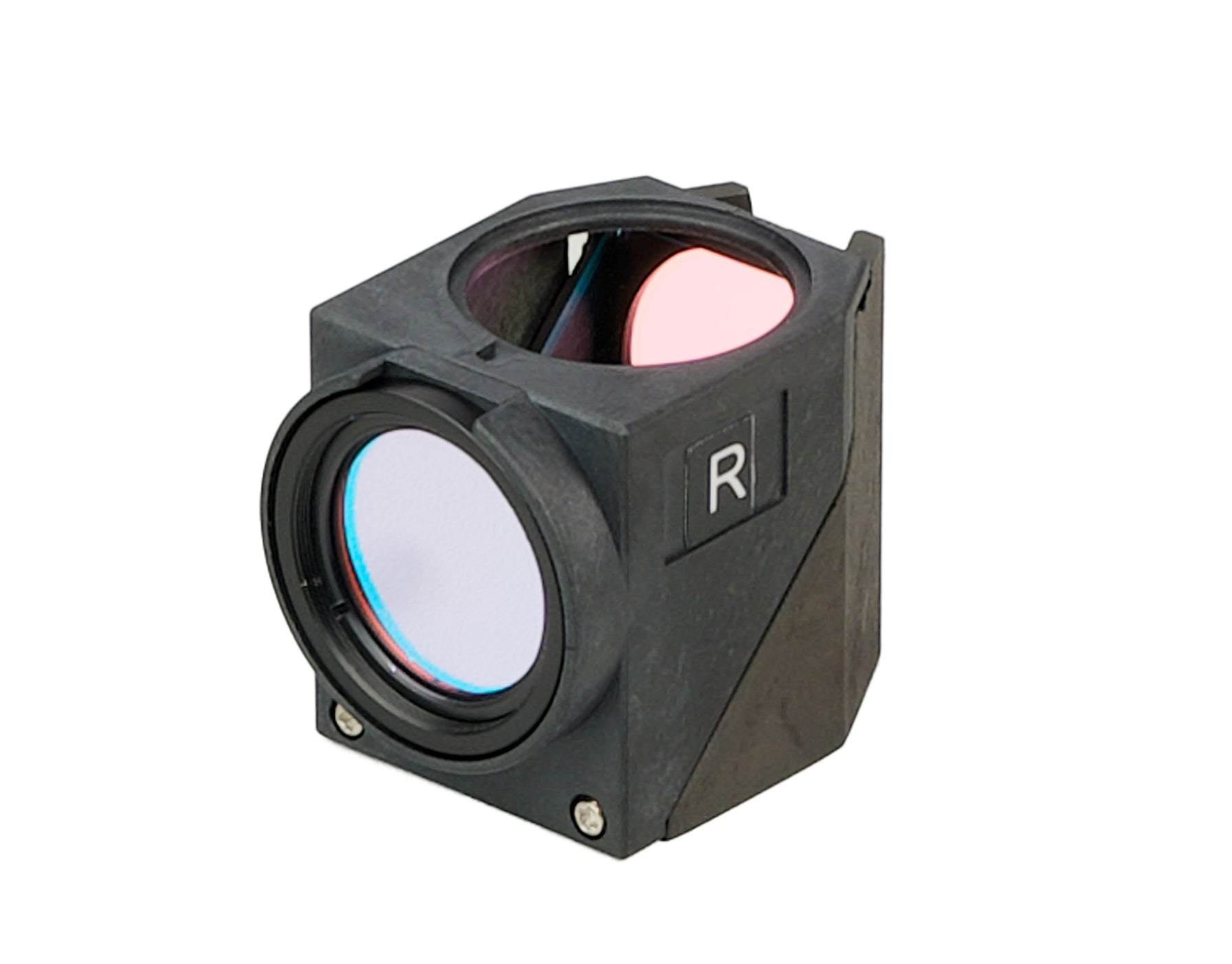
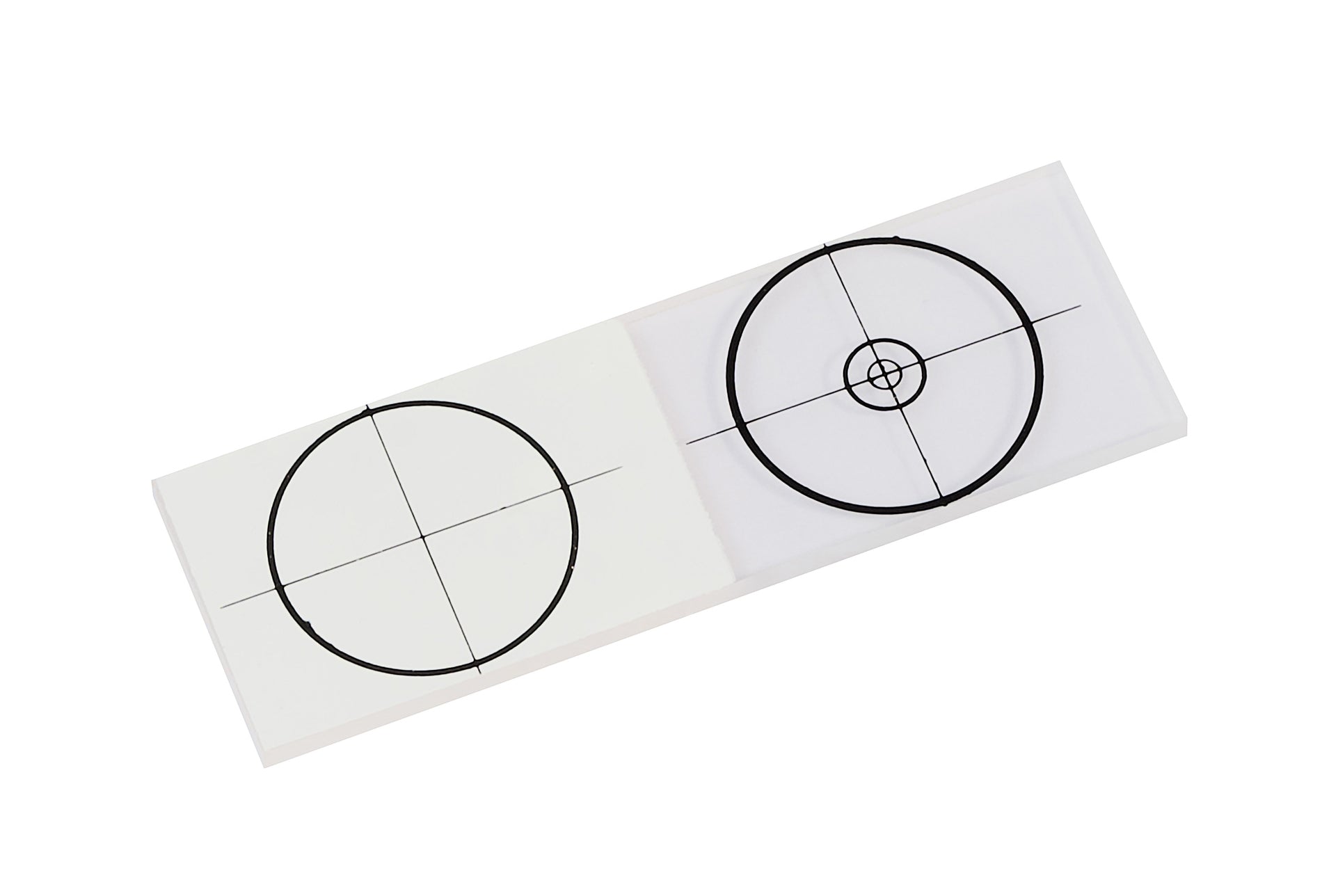
The attachment is mounted into the optical path between the microscope head and stand. There is a 6-position rotating turret inside the attachment with fluorescence filters. Five fluorescence filter cubes are installed in the turret at the same time (user-selectable). The required filter is introduced into the optical path by rotating the ring. One position of the turret corresponds to the brightfield observations. The side knobs are used to adjust the opening of the field and aperture diaphragms. A set of fluorescence filter cubes includes filters of different fluorescence wavelengths: broadband blue (B) green (G) ultraviolet (UV) violet (V) narrow-band red (R) and narrow-band filters for DAPI FITC and TRITC fluorochromes.
The fluorescence excitation source is a mercury lamp. It features high brightness and a wide spectrum of wavelengths. The lamp spectrum is peaked which makes it possible to work with a variety of fluorescent dyes. The mercury lamp is located in the lamphouse. The lamphouse dissipates heat and the lamp does not overheat.
To employ the fluorescence technique use the MAGUS Epi-FL06 attachment together with the MAGUS PlanF S-Apo fluorescent objective set. The plan semi-apochromatic fluorescent objective enhances the microscope’s resolving power and reduces chromatic and spherical aberrations. The image in the eyepieces and through the digital camera is cleaner has more contrast and it is brighter than with a regular plan achromatic objective. The high numerical aperture of fluorescent objectives enhances the microscope’s resolving power but at the same time it reduces the depth of field. Therefore for transmitted light observations we recommend using regular objectives from the microscope set with a greater depth of field.
Compatibility:
Package:
| Brand | MAGUS |
| Warranty | 2 years |
| EAN | 5905555026213 |
| Excitation light source | mercury lamp |
| Fluorescence filter: filter type excitation wavelength/dichroic mirror/emission wavelength | blue (B) 460–495nm / 505nm / 510nm; green (G) 510–550nm / 570nm / 575nm; ultraviolet (UV) 330–385nm / 410nm / 420nm; red (R) 620–650nm / 660nm / 670–750nm |
| Fluorescence filters: fluorochrome excitation wavelength / dichroic mirror / emission wavelength | DAPI 360–390nm / 415nm / 435–485nm; FITC 460–495nm / 505nm / 510–550nm; TRITC 528–553nm / 565nm / 578–633nm |
Temos uma política de devolução de 14 dias. Se não estiver satisfeito com a sua compra, devolva-a na sua embalagem original e certifique-se de que coloca a embalagem original do produto dentro da caixa de envio para evitar quaisquer danos.
Todos os artigos devem estar no seu estado original e não devem ser utilizados. O valor da sua compra será reembolsado. .
As despesas de envio não serão reembolsadas.
Se a devolução se dever a um produto defeituoso, poderá ser compensado pelo envio da devolução.
Se necessitar de efetuar uma devolução, contacte-nos para obter mais informações.
- De 0 a 2 kg - custo de envio: 12,50 euros.
- De 2.001 kg a 30 kg - custo de envio: 17,00 euros.
- A partir de 30,001 kg - custo de envio: 30,00 euros.
Em caso de recolha no nosso armazém ou pontos de revenda - o envio é gratuito.
Obrigado por subscrever!
Este e-mail foi registado!